

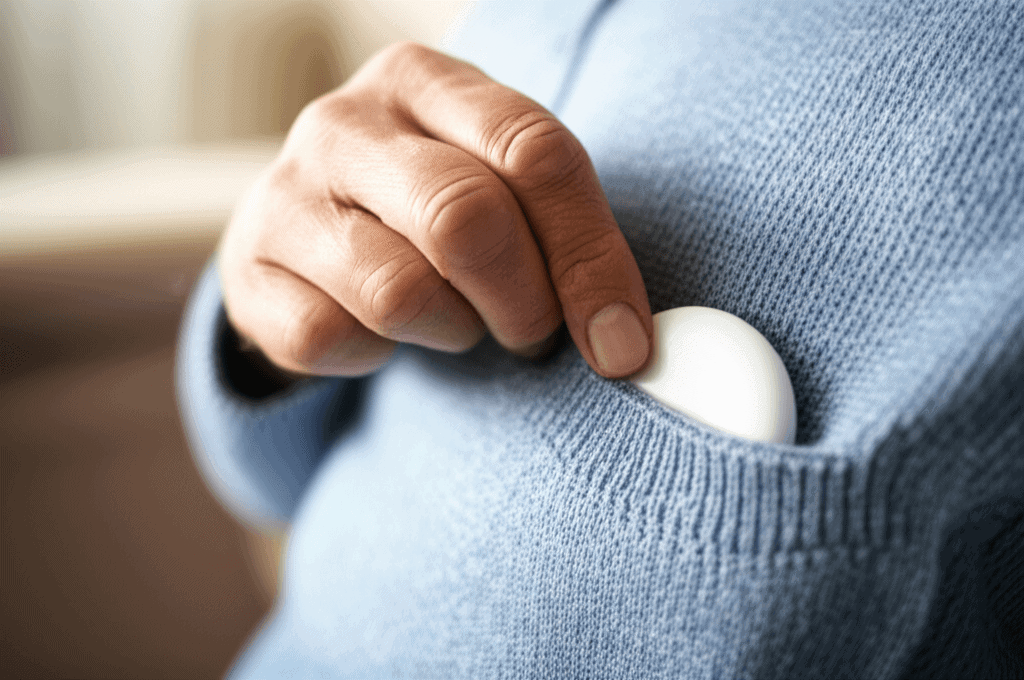
Choosing a GPS tracker for an older family member often feels like a huge step. Many try to keep them safe without stealing their freedom, like balancing on a tightrope. These gadgets aren’t just neat toys—they’ve become essential helpers. They keep an eye on seniors living alone or dealing with memory problems. Ever wonder how these devices work and ease busy, stressful days? Read on to find clever tips that make using these trackers simple and worry-free. Stick around to learn why these tools might be the secret to true peace of mind.
This article looks at practical questions families ask most often. I will cover how GPS tracking works for seniors, real life scenarios where tracking helped, privacy points to consider, how to choose a device, tips for introducing the option to a loved one, and cost and maintenance factors. Read on for clear examples and actionable guidance.
Is GPS Tracking Right for Your Senior Loved One
Use this section as a checklist to see if a tracking solution fits your situation. GPS devices are most helpful when a senior spends time outside alone or has an occasional episode of confusion that could lead to getting lost. They are also useful for older adults with heart conditions or mobility issues who might need help locating medical services quickly.
Ask questions like these when you consider a device
- Does the person leave the home unaccompanied often
- Has there been an instance of wandering or getting lost
- Would a wearable fit the person s daily routine
- Are family members available to monitor alerts
If several answers point to potential risk, GPS tracking may be a practical part of a wider safety plan that includes medical alerts and regular check ins.
How GPS Tracking Works for Seniors
At its simplest a GPS tracker uses satellite signals to determine a location and then sends that information to an app or monitoring service. Devices vary from simple tags that attach to keys or clothing to watches with two way calling and fall detection. Understanding the basic components helps when you compare models.
- Location method GPS satellites provide coordinates that map to a street address
- Communication Most devices use cellular networks to send location updates to a phone or web dashboard
- Power source Batteries range from replaceable coin cells to rechargeable packs that last several days
- Alerts Geofencing allows a family member to get notified if the senior leaves a predefined area
Key benefits of GPS tracking for older adults
Families report a range of positive outcomes when tracking is part of a safety strategy. Below are common benefits people mention when weighing their options.
- Faster location in an emergency when an older adult is unsure where they are
- Reduced anxiety for caregivers who can quickly confirm a loved one s whereabouts
- Ability to tailor monitoring for people prone to wandering due to memory loss
- Integration with other features such as fall alerts or one touch calling for help
These benefits are most valuable when tracking is used thoughtfully and with consent where possible.
Privacy safety and legal considerations
Tracking a person without consent raises ethical and legal issues. When capacity is in question speak to a health professional or legal advisor before moving forward. Even when a senior agrees to tracking you should discuss limits and conditions to maintain dignity.
Consent and capacity
Documenting a senior s consent is a good practice. If a person has cognitive impairment and cannot give informed permission the family might consult power of attorney documents or legal counsel to determine next steps.
Data and account security
Ask vendors how location data is stored and who can access it. Use strong account passwords and enable any available multi factor protection for the app that receives location updates. Minimizing the number of people with access reduces risks.
Selecting a GPS device for a senior
There are many styles of trackers. Picking one depends on lifestyle, technical comfort, and the type of monitoring desired. Below are key features to compare when making a selection.
- Form factor Choose a wearable watch, pendant, or small tag based on what the person is likely to wear consistently
- Battery life Longer battery life reduces the need for frequent charging and lowers the chance the device is off when needed
- Accuracy Check reviews for real world accuracy in populated and rural areas
- Alert types Look for geofence alerts, low battery notifications, and emergency call buttons
- Customer support Consider vendors with responsive customer service for troubleshooting
Connectivity and coverage
Many devices rely on cellular service. Verify coverage maps for the primary areas the senior visits. In some rural settings a device may show intermittent signal which reduces effectiveness.
Subscription costs
Most devices require a monthly plan for data transmission. Compare features included at each price level and remember to include the subscription when calculating annual costs.
Introducing tracking to a loved one with respect
Introducing a device can be sensitive. Approach the subject with empathy and focus on safety goals rather than surveillance. Here are practical steps that often work well in families.
- Start the conversation early when the person can participate in decision making
- Demonstrate the device in a calm way and show how it works in everyday situations
- Offer choices so the person feels involved such as different styles or wearing options
- Set clear boundaries and times when tracking will be used if that makes the person more comfortable
Example approach
- Invite your loved one for a short trial period and agree to review the experience after two weeks
- Agree on who can see location data and how alerts will be handled
Real life examples and common scenarios
Case studies help clarify when tracking is useful. Below are short examples based on typical family experiences.
- An elderly man with early stage dementia left a shopping center and did not remember where his car was parked. A tracker helped family locate him within minutes
- A woman with a heart condition fell while gardening and could not reach a phone. A wearable with a call button connected her to emergency services quickly
- A family placed a small tag on a cane that was often misplaced. The tag helped reduce frustration and time spent searching
There are local news reports about families making this choice and the outcomes they saw. If you want regional examples you can see more on a recent article that highlights how some households in the GTA adopted tracking options for seniors.
Maintenance tips and cost factors
Once a device is chosen ongoing maintenance and attention keep it reliable. These simple practices extend uptime and reduce surprises.
- Charge the device on a regular schedule and set reminders if the senior lives alone
- Test location updates before outings to confirm signal and accuracy
- Keep firmware up to date when the vendor issues an update
- Keep a backup plan such as a spare battery pack or a secondary method of contact
When budgeting remember to include the device purchase price, monthly subscription for cellular or data services, and potential replacement over time. Some families factor these costs into monthly caregiving budgets and compare them to the cost of other safety options such as private monitoring services.
Alternatives and complementary solutions
GPS tracking is one tool among many. Consider combining it with other measures to create a layered approach to safety.
- Medical alert systems that connect to response centers through home base units
- Smart home sensors that detect movement patterns and can alert caregivers to changes
- Scheduled check in calls or a family calendar for planned outings
- Community resources such as local seniors programs that include transportation or daytime supervision
Choosing a combination reduces reliance on any single method and can match the level of independence the senior prefers.
Conclusion summary and next steps
Deciding whether GPS tracking is right for your senior loved one comes down to balancing safety with respect for independence. Tracking shows clear value in cases of wandering, health events away from home, or when multiple caregivers need a trusted way to coordinate responses. At the same time it raises privacy questions that benefit from thoughtful discussion and clear agreements. When choosing a device look at form factor battery life coverage subscription cost and vendor reputation. Introduce the idea with empathy offer choices and start with a short trial to assess comfort levels. Combine tracking with other supports to cover gaps and maintain a human centered approach to safety.
If you are ready to explore options collect a short list of priorities for your family and compare models against those priorities. Speak with the person who would wear the device and make a written plan for who monitors alerts and how you will respond. Small steps make the process less stressful and often lead to better outcomes for everyone involved. Take action today by making a short checklist of needs scheduling a demo of a device and arranging a one week trial to see how the solution fits daily life.