

Spotting sewer line damage early saves a lot of cash and stops your home from turning into a mess. Many people miss the first signs because each one looks small and harmless alone. But when several signs pop up, it usually means trouble is on the way and needs to get fixed fast. Catching these clues early keeps repairs cheap and headaches far away. Watch for the right signs so problems don’t explode and destroy your place. This info is treasure for anyone wanting to dodge disaster and keep their home safe. Keep reading to find out how to catch these sneaky signs before it’s too late.
This article lists the most common indicators of a failing sewer line and gives clear, practical steps you can take. Read the sections that apply to your situation and use the tips to decide when a simple check will do and when to call in a professional.
Slow drains and frequent backups as early signals of trouble
Slow draining sinks, tubs that fill more slowly than they used to, and toilets that back up are classic early signs of sewer line damage at home. A single slow drain is often a localized clog. When several fixtures are affected at once the issue often lies farther down the system in the main sewer line.
- Multiple slow drains at the same time suggest a mainline obstruction.
- Toilet backups when other fixtures are used point to a blockage between the house and the public sewer.
- Gurgling sounds from drains hint at trapped air in a partially blocked pipe.
Quick check tip: run water in the lowest fixture while flushing a toilet. If water flows back or gurgling increases that is a strong sign the main sewer is restricted and further inspection is needed.
Persistent sewage smell inside and outside the home
A recurring foul odor near floor drains, in the basement, or in the yard is a red flag for sewer line damage at home. The smell may be strongest where a small leak allows gases to escape, and it can vary with wind or temperature.
Smell in the basement or crawlspace
If the basement smells like rotten eggs and the scent does not go away after cleaning drains and traps the source may be a cracked pipe or a joint failing under the slab. Seepage under floors can allow gas to concentrate in low spots.
Smell in the yard or near plumbing cleanouts
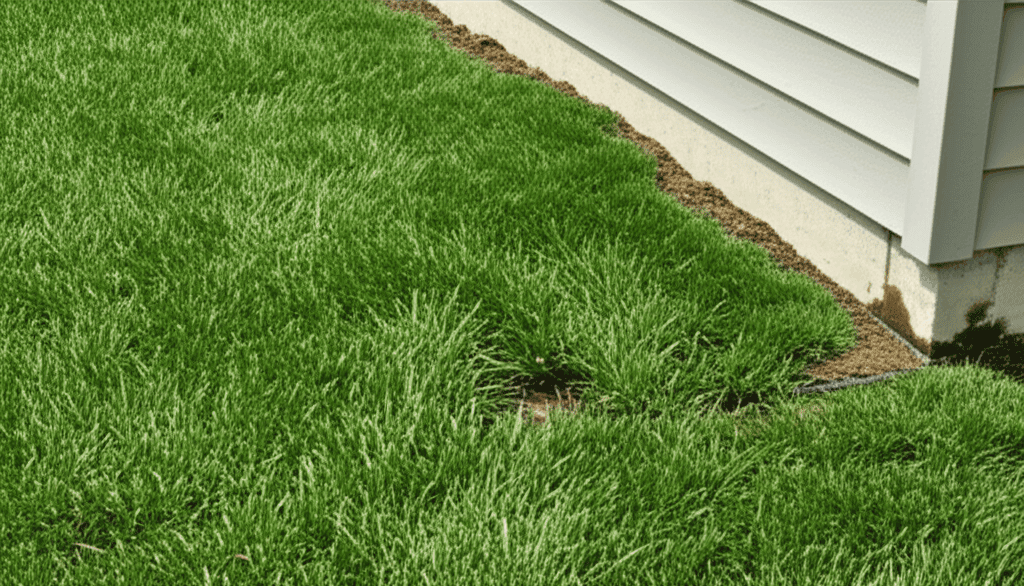
Lush patches in the lawn or persistent wet spots often come with odor. Gas and effluent moving upward through the soil will create both smell and vegetation differences. If you notice this pattern have the area checked before sinkholes develop.
Visible yard problems and drainage changes
Yard problems can reveal hidden sewer line damage at home. Look for soggy ground, unusually green grass in one area, depressions forming, or new sinkholes. These signs mean liquid is escaping from the sewer pipe into surrounding soil.
Lush grass and wet patches
Grass that is greener or taller in one spot may be getting extra nutrients from leaking sewage. This is a strong sign of a pipe breach. If you surface the area and see pooling black water the leak is likely large and ongoing.
Sinking ground and small sinkholes
When the soil under the yard washes into a damaged pipe a depression can form above the affected section. These sinkholes often start small but grow quickly as the pipe continues to collapse. Keep children and pets away and arrange for a professional inspection immediately.
Structural signs inside the house linked to sewer line issues
Sewer line damage at home can show up in places that seem unrelated. Foundation cracks, damp floors, and musty odors in living areas may stem from a leaking sewer line beneath the slab or under a crawlspace.
- Repeated moisture under floorboards or in a crawlspace can promote rot and mold.
- New cracks in walls or floors near plumbing runs may indicate soil movement caused by a leak.
- Stains or unexplained puddles near basement walls should be investigated for plumbing origin.
Practical step: check for a pattern of moisture rather than a single wet spot. A pattern along a plumbing path strongly suggests a sewer line cause.
Unexplained increases in water bill and unusual pests
An abrupt rise in your water bill without increased household use can point to leaks in the sewer or water supply. When the issue is in the sewer line the bill change often accompanies other signs such as smells or yard wetness.
- Rodents and insects may be attracted to leaking sewage. Seeing more pests around drains or yard spots can be a hint.
- Rodent burrows near plumbing or chewed pipes can compound existing damage and lead to collapse.
Tip for tracing usage: check water meter readings when no water is in use. If the meter moves the leak may be active and should be found quickly to prevent greater damage.
How to confirm sewer line damage using tests and inspections
Finding a suspected problem is one thing. Confirming the extent and location of sewer line damage at home is the next step. Professionals use a range of diagnostic tools that give precise information so repair decisions are based on facts.
Camera inspection
A sewer camera is the most direct way to see what is happening inside the pipe. The camera reveals tree root intrusion, cracks, collapsed sections, and bellies where the pipe has sagged. Images help determine whether a trenchless repair or a full replacement is required.
Other diagnostic methods
Smoke testing forces non toxic smoke into the sewer to reveal leak points where smoke escapes. Dye tests can show flow patterns. Both tests help pinpoint locations that require camera confirmation and allow targeted repairs.
DIY checks versus calling a professional
There are safe checks a homeowner can do and tests that should be left to trained technicians when you suspect sewer line damage at home. Simple actions reduce risk and may narrow down the cause before a service visit.
When to try basic checks yourself
- Clear individual drain traps and use a plunger on a blocked sink or toilet.
- Check outdoor cleanouts for visible backups or odors.
- Inspect your yard for fresh wet patches, odors, and plant growth anomalies.
These steps help identify if the issue is isolated to one fixture or suggests a mainline problem. If multiple fixtures are affected do not keep using equipment that creates backups.
When to call a professional
If multiple signs appear at once such as persistent smell, yard wetness, slow drains in several rooms, and foundation dampness arrange for an in person inspection. A professional will run camera diagnostics and recommend repair options that match the damage pattern.
If you need local help with inspection or repair consider contacting Berkeys Air Conditioning & Plumbing for a prompt evaluation. A quick diagnostic visit can prevent a small sewer issue from becoming a large repair bill.
Repair options and what to expect from the process
Once sewer line damage at home is confirmed the repair path depends on the cause and extent of the failure. Common options include targeted root removal, cured in place lining, pipe bursting, or traditional replacement. Each approach has trade offs in cost and disruption.
- Root cutting and hydro jetting remove obstructions and restore flow when pipes are otherwise intact.
- Cured in place lining seals cracks and joints with minimal surface disruption.
- Pipe bursting replaces the old line without a long trench in many cases but requires careful planning for connections.
- Full replacement may be necessary when a section has collapsed or the material has severely deteriorated.
Ask the service provider for a clear written estimate that lists alternatives and explains lasting value. Also request a timeline and any landscaping plans if digging will affect your yard. A reliable professional will explain the reasons for the recommended method and outline steps you can take to prevent recurrence.
Recognizing signs of sewer line damage at home and taking swift action protects property value and household health. Look for patterns such as multiple slow drains, persistent sewage smell, lush yard spots, and sinking ground. Use basic checks to narrow the problem and avoid using fixtures when backups occur. When evidence points to a mainline problem bring in a licensed technician who can run camera inspections and recommend repair options that fit the situation.
If you observe any of the warning signs do not delay. A quick diagnosis can save thousands of dollars in repair and reduce the risk of structural damage. Reach out to qualified local professionals for an inspection and get a clear plan for repair. Taking action promptly helps you control costs and restores normal function to your drainage system.